
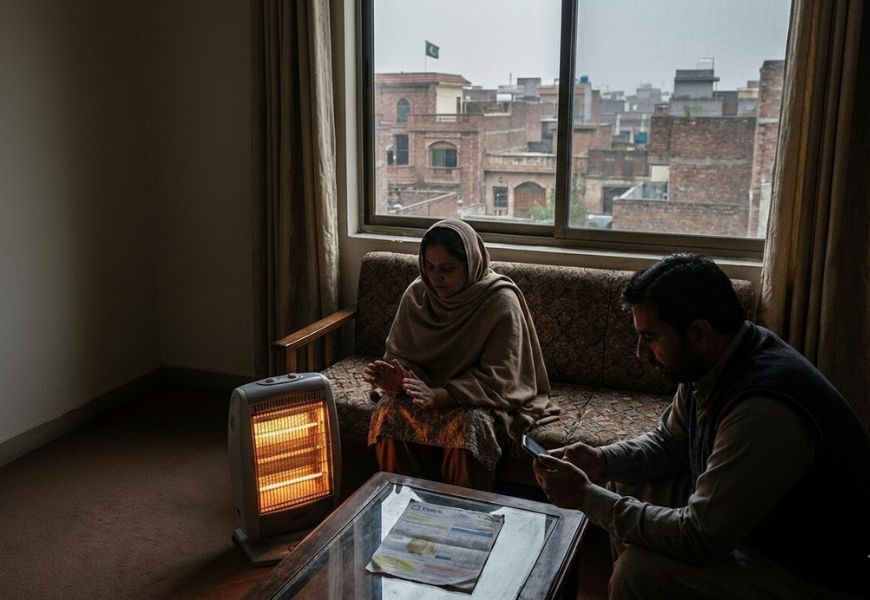

Gas load shedding has become a frustrating reality for households across Pakistan, especially during winter when demand peaks. Families struggle to plan meals, heat water, and manage daily tasks because gas pressure fluctuates or disappears entirely. While official gas schedules are rarely announced publicly by SNGPL or SSGC, many users observe consistent timings for when gas is available in different areas.
In this guide, I’ll explain why gas load shedding happens, the most commonly observed gas supply timings, why schedules vary by locality, and practical strategies to manage low gas pressure at home. My goal is to help you prepare and make life a little easier during shortage months.
Observed Gas Load Shedding Timings in Pakistani Cities
Unlike electricity load shedding schedules shared by power companies, gas load shedding timings are rarely announced. However, based on community observations and patterns reported across different neighborhoods, gas availability usually follows three main time windows:
Morning: approximately 5:30 am to 8:30 am
Midday: approximately 11:30 am to 1:30 pm
Evening: approximately 5:30 pm to 8:30 pm
These timings are not official, but they reflect common availability periods when gas pressure improves enough for cooking and water heating. In my own experience and conversations with family in Punjab, these patterns appear nearly daily during peak winter months.
Different localities may receive gas outside these windows, and rural or older housing areas may experience weaker or shorter supply durations. Gas pressure within these windows also varies, sometimes dropping enough that cooking takes longer or geysers fail to ignite.
Still, families can plan around these typical windows to minimize stress. If you live in an affected area, note your daily timings for a week to confirm your local pattern.
Why Does Gas Load Shedding Happen?
Gas load shedding happens because demand exceeds supply, especially in winter. More homes use gas at the same time for heating, water heaters, and cooking. Pakistan’s gas reserves are declining while consumption continues to rise. Old pipeline infrastructure and distribution limitations make it harder to deliver sufficient pressure to all areas.
When gas demand spikes in the morning and evening, pipelines struggle to maintain adequate flow. Utilities restrict supply in some areas to maintain pressure in priority zones such as hospitals, industries, and commercial centers. Unfortunately, household consumers face scheduled or unscheduled outages.
Understanding this can help reduce frustration. It feels personal, but the shortage stems from genuine supply constraints, not deliberate neglect.
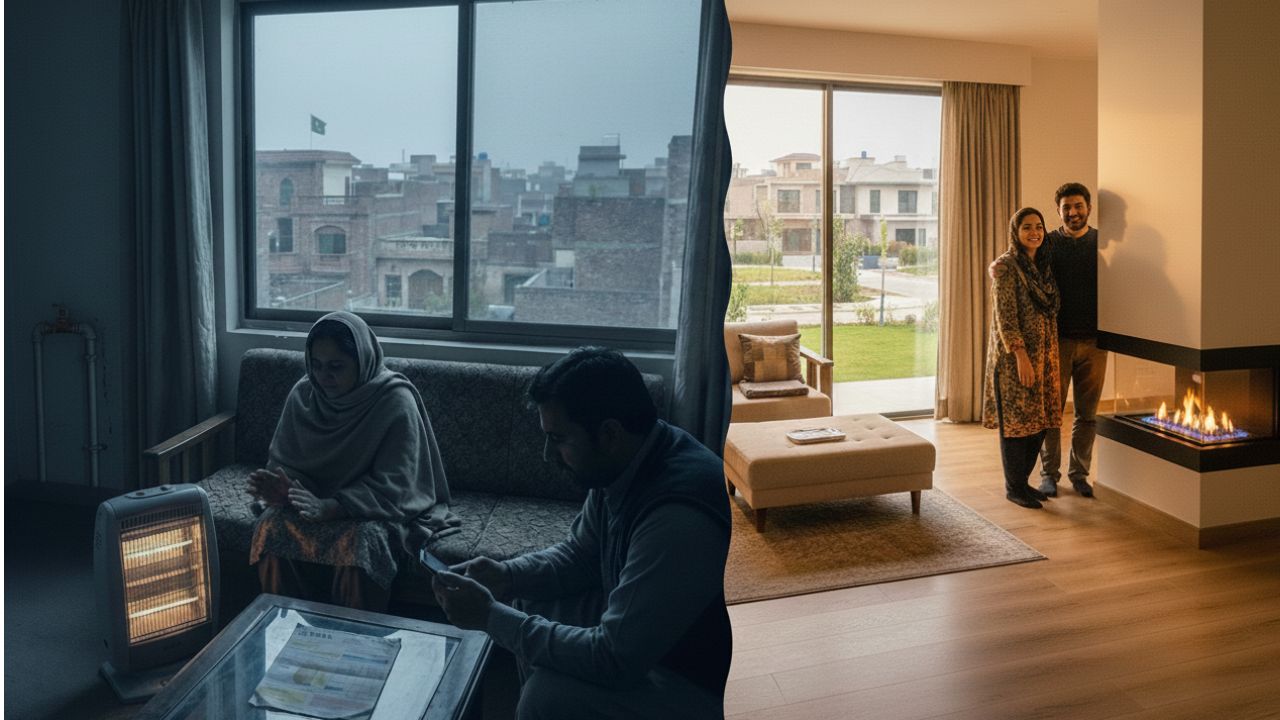
Why Load Shedding Timings Differ Between Areas?
Some households report gas while nearby streets have none. Several factors influence supply timing and pressure:
- Pipeline age and diameter
- Population density within the neighborhood
- Distance from main distribution lines
- Number of commercial connections nearby
- Household consumption levels during peak hours
For example, older neighborhoods may receive weaker flow because pipelines cannot maintain high pressure under heavy demand. Areas close to commercial kitchens or industrial connections may feel shortages when businesses operate, especially in evenings.
Newer housing schemes with dedicated pipe networks often experience better pressure for longer durations. However, even these areas face shortages during severe winter demand.
How to Manage Gas Load Shedding at Home
Gas shortages disrupt daily routines, but thoughtful planning can make a significant difference. Below are practical strategies tested by households across Pakistan.
Plan meals around supply windows
Cooking during common availability periods reduces frustration and ensures meals finish on time. Prepare ingredients before gas becomes available to maximize cooking time when pressure rises.
Use electric appliances strategically
If you have electric alternatives, such as an electric kettle or induction cooker, use them for smaller tasks. Avoid relying entirely on electric appliances during peak power use times to prevent overloading circuits.
Preheat water when gas is available
Turn on geysers during supply windows and store heated water in insulated tanks. Reduce water temperature settings; very high settings waste gas rapidly.
Avoid simultaneous high-gas-use appliances
Running heaters, geysers, and stoves at once lowers pressure further. Use one major gas appliance at a time to preserve available flow.
Monitor and maintain appliances
Faulty burners, clogged pipes, or leaking connections worsen pressure issues. Routine servicing before winter helps preserve efficiency.
Final Thoughts
Gas load shedding disrupts daily life across Pakistan, especially in winter when demand peaks. While utilities rarely share official schedules, many areas experience predictable supply windows: early morning, midday, and early evening. Planning around these timings, maintaining efficient appliances, and reporting low-pressure issues can reduce daily stress.